
Bone Grafting in Cordova, TN
A small grafting procedure today can save you a much larger one later, especially if you are planning for an implant. Dr. Dalal will walk you through the scan, the reasoning, and the cost before anything is scheduled.
What Bone Grafting Actually Does for Your Jaw
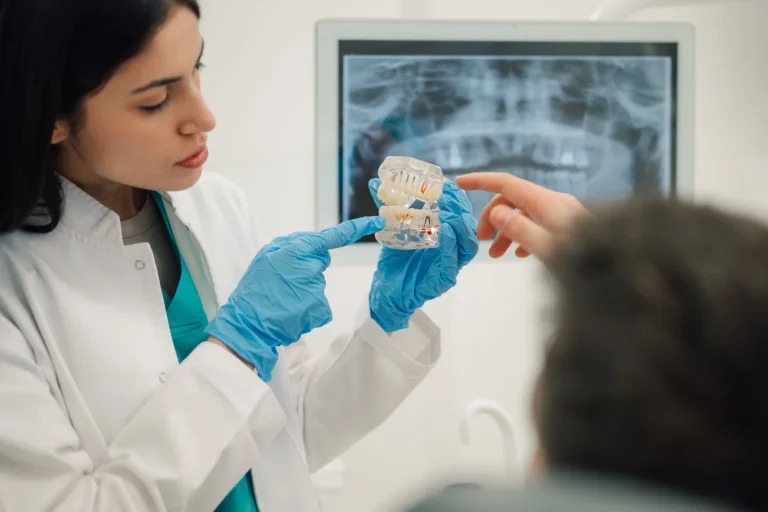
Bone grafting in Cordova TN is a small procedure with a big job: it preserves or rebuilds the bone in your jaw so that future dental work, especially implants, has something solid to anchor to. When a tooth is removed, the bone that used to hold it begins to shrink almost immediately. A graft slows or reverses that loss. Dr. Dalal Abdulkarim performs grafting at Cordova Family Dental for patients across Cordova, Bartlett, Lakeland, Germantown, and east Memphis.
If you have ever been told you do not have enough bone for an implant, this is the procedure that changes that answer. It is also commonly done on the same day as an extraction to keep your options open, even if you have not yet decided how you want to replace the tooth.
We use CBCT 3D imaging to look at your bone in three dimensions before we recommend anything. That scan tells us how much bone you have, where it is thin, and whether a graft is the right call or whether watching and waiting makes more sense. You will see the images on the screen with Dr. Dalal, not just hear a verdict.
When a Bone Graft Is Recommended (and When It Is Not)
There are four common situations where Dr. Dalal will bring up grafting. The first is a socket preservation graft, done right after a tooth extraction. A small amount of graft material is placed in the empty socket to keep the ridge of bone from collapsing while you heal. This is the most common type we do, and it keeps the door open for an implant later without forcing you to decide everything at once.
The second is a ridge augmentation, used when bone has already been lost (often because a tooth was missing for years) and we need to rebuild width or height before an implant can be placed. The third is a sinus lift, used in the upper back jaw when the sinus floor sits too close to where an implant needs to go. The fourth is grafting in support of periodontal treatment, where gum disease has eaten away at the bone around a tooth we are trying to save.
Not every missing tooth requires a graft. If you are not planning to replace the tooth and the area is healthy, sometimes the right answer is to leave it alone. Dr. Dalal will tell you that plainly. The point is to do what fits your mouth and your goals, not to add procedures for the sake of it.
What Material Goes Into the Graft
Patients ask this all the time, and it is a fair question. The graft material acts as a scaffold. Your own body grows new bone into and around it over the following months, gradually replacing the scaffold with living bone. The material itself can come from a few different sources.
The most common option is processed donor bone, which has been thoroughly sterilized and is the standard in modern dentistry. Synthetic graft materials made from calcium-based minerals are also widely used and work similarly. In specific cases, bone harvested from elsewhere in your own mouth can be used, though that is less common for the smaller socket grafts we do most often. Dr. Dalal will tell you which material she is recommending and why before the day of the procedure.
Healing typically takes three to six months before the area is ready to support an implant. That waiting period is not wasted time. It is the body doing the slow work of turning the graft into real bone. We will check in with a follow-up scan to confirm the bone is ready before we move to the next step.
What a Grafting Appointment at Cordova Family Dental Looks Like
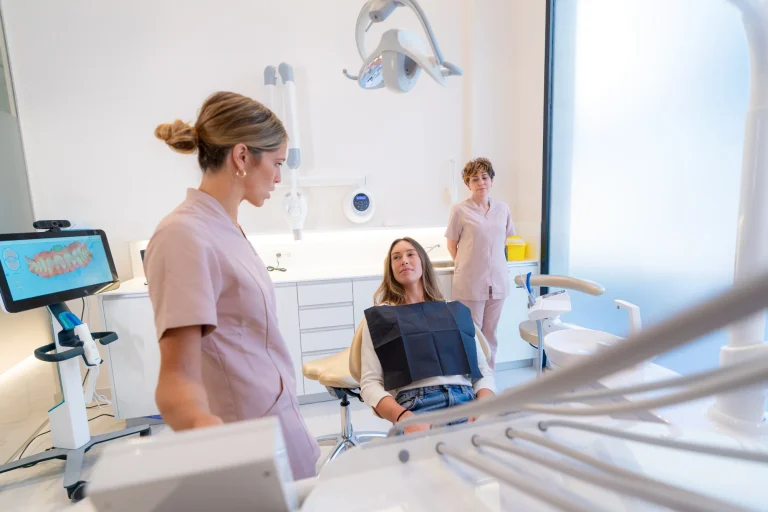
Most grafts are a same-visit add-on to an extraction, which means you are not making a separate trip. After the tooth is removed, the socket is cleaned, the graft material is packed in, and a small membrane is placed over the top to protect the area while it heals. The whole addition usually adds ten to fifteen minutes to an extraction appointment. Numbing is the same local anesthetic you would have for any oral surgery, and we talk through sedation options ahead of time if you would prefer to be more relaxed.
Aftercare is straightforward but matters. Soft foods for a few days, no rinsing or spitting forcefully for the first twenty-four hours, and the avoidance of straws while the clot forms. Mild swelling and tenderness for two to three days is normal. We send you home with written instructions, Dr. Dalal’s direct guidance on what to watch for, and a follow-up appointment already on the calendar.
If your graft is a larger ridge augmentation or sinus lift, the appointment is longer and recovery is a bit more involved. We walk through all of it in the consultation so there are no surprises. You will know what the day looks like, what the week after looks like, and when we will see you next.
How Dental Insurance and TennCare Handle Bone Grafts
Bone grafting is one of those procedures where insurance coverage is genuinely all over the map. Some PPO plans cover a portion of the graft when it is done at the same time as an extraction and the tooth is being lost to disease or trauma. Other plans classify the graft as part of implant care and exclude it. TennCare coverage for grafting is limited and depends on medical necessity. We will run a benefits check before we quote you anything so you are not guessing.
For the out-of-pocket portion, CareCredit is available and works well for patients who want to spread the cost across a few months rather than paying in a single visit. If you are also planning an implant, we can sequence the graft, the healing time, and the implant placement in a way that lets you budget for each step rather than facing one large bill. You can read more on our Payment Options page, and we are happy to put a written estimate in your hands before you commit.
One thing we do not do is surprise you at checkout. Before we start, you will know the code being billed, what your plan is expected to cover, and what the remaining balance looks like. That has been the rule at our neighborhood practice since day one.
Why Preserving Bone Now Saves You Trouble Later
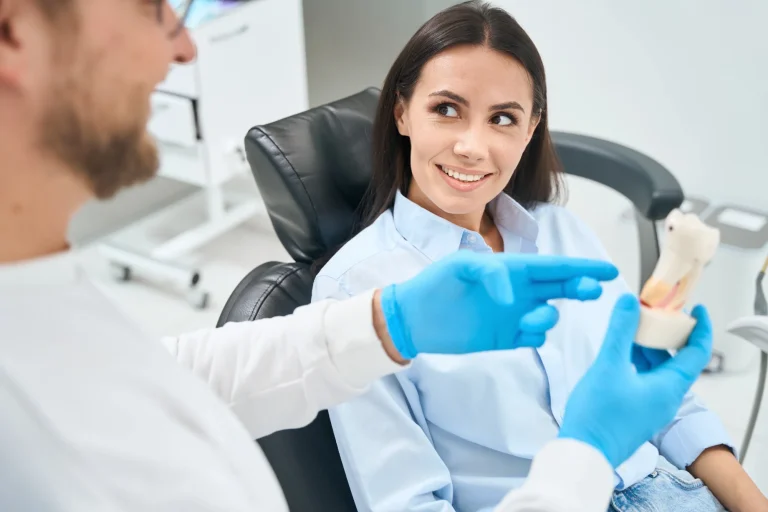
Bone loss is quiet. You do not feel it happening, and by the time it shows up in a sunken cheek, a loose denture, or a ‘sorry, we cannot place an implant here’ conversation, you are looking at a much bigger procedure to fix it. A small socket graft on the day of an extraction is one of the highest-return decisions you can make for your future dental health, even if you are years away from deciding whether to place an implant.
Designed and cared for properly, a grafted site can support an implant that lasts for decades. Outc.webpomes vary based on your overall bone health, your hygiene, smoking status, and how well you follow aftercare, and Dr. Dalal will be honest with you about the factors that apply in your case. We would rather set realistic expectations than oversell a result.
If you are weighing an extraction, an implant, or treatment for advanced gum disease, the grafting question is worth asking now rather than later. We will show you the scan, explain the options, and let you decide. You can also read more about our approach to Oral Surgery in Cordova TN, Dental Implants in Cordova TN, and Gum Disease Treatment in Cordova TN to see how grafting fits into the larger plan.
Ask Dr. Dalal Whether You Need a Graft
If a tooth needs to come out, or you are planning for an implant down the road, schedule a consultation at Cordova Family Dental. We will look at your CBCT scan with you and tell you plainly whether bone grafting is part of the plan.