
Dental Sealants in Cordova, TN
A thin protective coating painted onto the chewing surfaces of back teeth, sealants are one of the simplest ways to keep a cavity from ever starting. They take a few minutes, no numbing required, and they make a real difference for kids who are still learning to brush well.
A Simple Way to Prevent Cavities Before They Start
If you have a six-year-old who just got their first permanent molars, or a nine-year-old who is great at brushing the fronts of their teeth and not so great at the backs, Dental Sealants in Cordova TN are one of the easiest preventive steps we can take at Cordova Family Dental. Sealants are a thin resin coating that we paint into the deep grooves on the chewing surfaces of molars and premolars. Those grooves are where most childhood cavities begin, because toothbrush bristles cannot always reach the bottom of them.
Dr. Dalal Abdulkarim trained at the University of Tennessee College of Dentistry and has worked with families across Memphis, Bartlett, Lakeland, Germantown, and the small towns of East Tennessee. She is direct about the fact that prevention is almost always cheaper, easier, and less invasive than treatment. A sealant placed on a healthy molar at age seven is a very small thing. A filling on that same tooth at age ten is a bigger thing.
This page walks through who benefits from sealants, what the appointment actually looks like, and how we work them into a regular checkup. If you have questions we did not answer here, we are happy to go through them at your child’s next visit.
How Dental Sealants Work and Why Grooves Are the Weak Spot
Take a look at the top of a back tooth in a mirror. You will see a network of grooves and pits running across the chewing surface. Anatomically, those grooves are called fissures, and they exist because molars are built to grind food. The problem is that the same grooves trap food particles and plaque, and they are often too narrow for a toothbrush bristle to clean out completely.
A sealant fills in those grooves with a smooth, tooth-colored resin that bonds to the enamel. Once it is in place, the chewing surface is flatter and easier to brush. Bacteria can no longer hide in the deepest parts of the fissure. The CDC has tracked sealants for decades and consistently finds that they reduce the risk of cavities on back teeth by roughly 80 percent in the first couple of years after placement, with continued protection as long as the sealant stays intact.
Sealants are not a replacement for brushing, flossing, or regular dental cleanings. They are a piece of the prevention puzzle, sitting alongside fluoride, good home care, and the kind of routine checkups where we can catch a small issue before it grows. The point is to stack the deck in your child’s favor during the years when their habits are still forming.
Who Should Get Sealants and When We Recommend Them
The clearest candidates are children and teenagers, right after their permanent molars come in. The first permanent molars usually erupt around age six. The second set follows around age twelve. Placing sealants soon after eruption, before a cavity has a chance to start, is when they do the most good. We also place sealants on premolars when the grooves are deep enough to warrant it.
Adults can be candidates too. If you have molars with deep fissures and no existing fillings, and you are cavity-prone or have a history of decay in those grooves, sealants can be a reasonable preventive step. Dr. Dalal will look at the actual surface of the tooth, often with our intraoral camera so you can see what she is seeing, and tell you whether a sealant makes sense or whether watching and waiting is the better call.
Sealants are not the right choice for every tooth. If a groove already has decay reaching into the dentin, sealing over it is not appropriate. That tooth needs a small filling instead. This is one of those situations where having clear digital X-rays, read with OverJet AI assistance, helps us make the right call before we start. We would rather take an extra minute to be sure than seal over a problem.
What a Sealant Appointment Looks Like at Cordova Family Dental
The appointment itself is short and low-stress, which matters when the patient is a kid. There is no drilling, no numbing, and no needles. Most children handle it without any nervousness at all, and we walk them through each step before we do it so nothing is a surprise.
Here is what happens, in order:
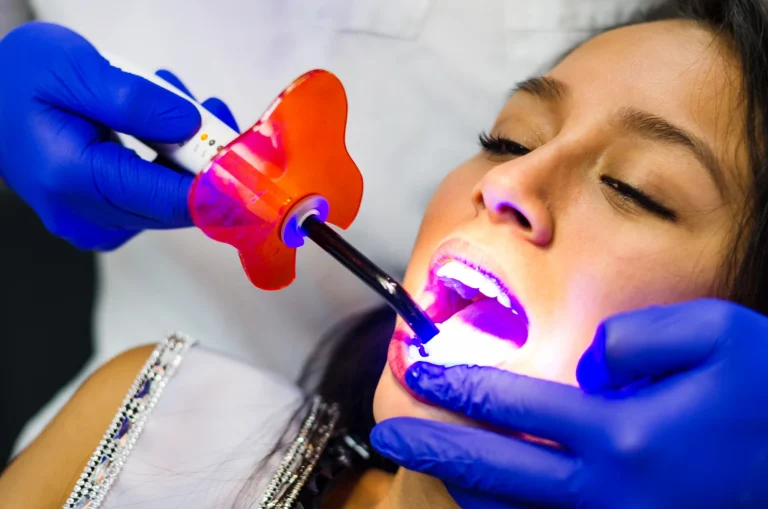
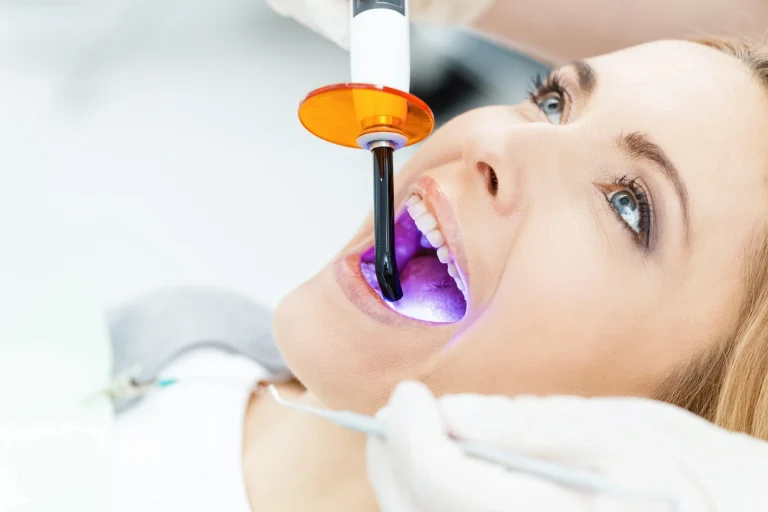
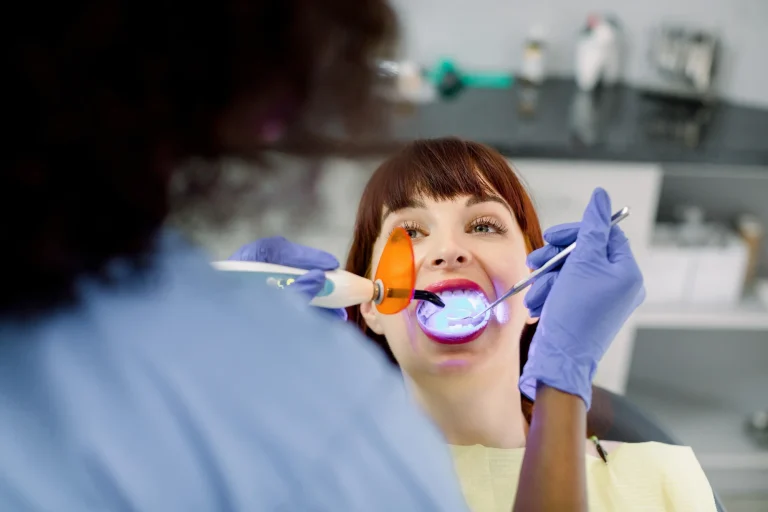
First, we clean the tooth thoroughly so the sealant has a clean enamel surface to bond to. Next, we apply a mild etching gel for a few seconds. The gel slightly roughens the enamel at a microscopic level so the resin can grip well. Then we rinse and dry the tooth completely. We paint the liquid sealant into the grooves with a small brush, and we cure it with a blue light for about twenty seconds per tooth. The sealant hardens immediately. Your child can eat and drink right after the appointment.
We often place sealants during the same visit as a routine cleaning and exam, so it does not require a separate trip. If your child is due for their checkup and Dr. Dalal sees that their new molars would benefit from sealants, we will talk it through with you before we do anything. You will know what is being recommended and why.
How Long Sealants Last and What They Save You Down the Road
A well-placed sealant typically lasts several years, often five to ten, before it begins to wear down. We check sealants at every cleaning to make sure they are still intact. If a corner has chipped or worn away, we can touch it up. The maintenance is minimal, and it slots naturally into the visits you are already coming in for.
The practical value of sealants shows up later, in the fillings your child does not need. A cavity on a permanent molar means a lifetime of monitoring that tooth, with the possibility of larger restorations down the road if the filling ever fails. A sealed molar that stays healthy through childhood and the teenage years is a tooth that has the best possible head start. That is the math we want every family in Cordova, Bartlett, and Lakeland to understand before they decide.
Sealants are one piece of how we approach family dentistry here. They sit alongside fluoride treatment, good cleanings, and an exam that actually explains what we are seeing. If you want to read more about the rest of preventive care, our pages on dental exams and fluoride treatment cover what to expect at those visits.
Ask About Sealants at Your Child's Next Visit
If your child has new molars coming in, or you are not sure whether they are a good candidate, schedule a checkup with Dr. Dalal. We will look together and give you a straight answer about whether sealants are worth it for your family.