
Dental Bonding in Cordova, TN
A chipped front tooth, a small gap, or a stubborn stain that whitening will not lift. Bonding is often the simplest, least invasive way to fix it, and most cases are finished in a single visit.
A Conservative Cosmetic Fix for Small Imperfections
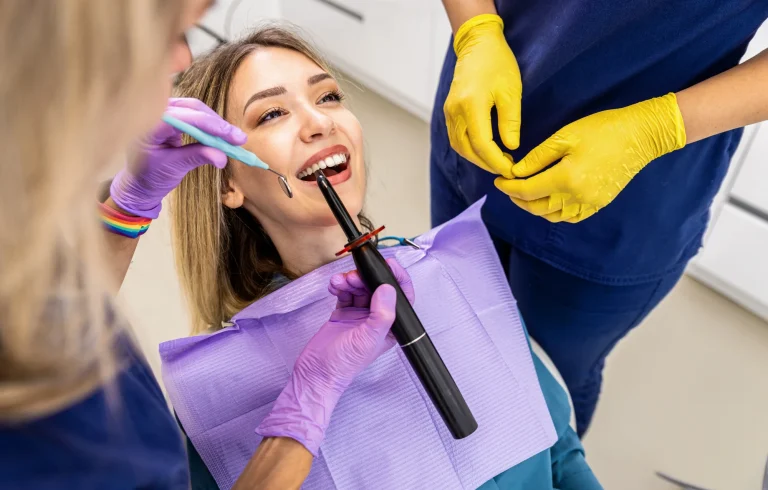
Dental Bonding in Cordova TN is one of the quieter cosmetic options at our office, and often the most practical. Dr. Dalal uses tooth-colored composite resin to repair a chipped corner, close a narrow gap, smooth a rough edge, or cover a discolored spot that does not respond to whitening. No lab work, no waiting weeks, no shaving down healthy enamel. In most cases, you walk in with the chip and walk out without it.
Bonding is not the right answer for every cosmetic concern. A tooth with deep cracks, large old fillings, or significant wear may need a crown or a veneer to hold up long term. Part of what we do at the consultation is tell you honestly which option fits the tooth in front of us. If bonding will look good and last, we will say so. If it will not, we will show you the photo or the X-ray that explains why.
This page covers what bonding actually involves, who it tends to work best for, what is included in your visit at our Cordova office, and how insurance and payment usually shake out. If you have a specific tooth you have been thinking about, you can read through this at home and bring questions with you.
How Composite Bonding Works on a Chipped or Gapped Tooth
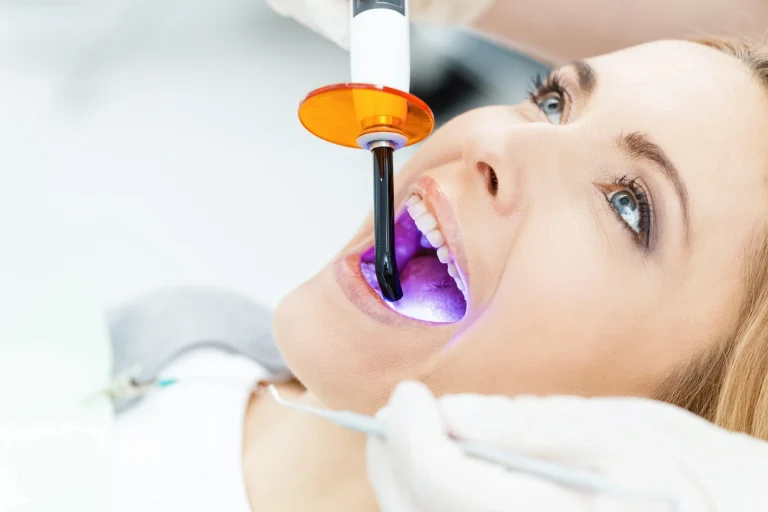
The process is straightforward. Dr. Dalal lightly etches the surface of the tooth so the composite has something to grip, applies a bonding agent, then layers the tooth-colored resin onto the area being repaired. She shapes it by hand to match the contour of your natural tooth, then cures it with a light that hardens the material in seconds. The final step is polishing, which is what makes the bonded area blend in instead of looking patched on.
Most single-tooth bonding visits take between thirty minutes and an hour. Anesthesia is usually not needed because we are not drilling into the tooth, just adding to its surface. For a small chip on a front tooth, many patients are surprised by how quick it is. For more involved cases, like reshaping two or three teeth or closing a midline gap, plan on a longer appointment so Dr. Dalal has hold time in the schedule to get the shape and shade right.
Color matching matters more than people expect. Composite comes in dozens of shades, and the resin is layered to mimic the way a real tooth reflects light. If you have whitened recently, we usually wait a couple of weeks before bonding so the surrounding teeth settle into their final shade. Bonding to a tooth and then whitening afterward does not work the same way, since composite does not lighten with whitening gel.
When Bonding Is the Right Call (and When It Is Not)
Bonding tends to be a good fit for small, surface-level changes: a chipped incisal edge from biting something hard, a narrow gap between two front teeth, a worn-down canine, a discolored spot on enamel, or a slight reshaping to even out a tooth that looks shorter than its neighbor. It is also useful for closing the small triangular spaces near the gumline that can appear after orthodontic treatment.
It is not the right tool for every situation. If a tooth has a large existing filling, a deep crack, or significant structural loss, bonding will not give you a lasting result. In those cases, an onlay, a crown, or a veneer is a better long-term answer. Bonding also stains over time the way natural teeth do, but it does not respond to whitening, so heavy coffee or red wine drinkers should know that the bonded area may need a touch-up or replacement after several years.
Bonded composite is durable, but it is not as strong as porcelain or natural enamel. Habits like chewing ice, biting fingernails, or using front teeth to open packaging will shorten its life. If you grind at night, a nightguard protects bonding the same way it protects the rest of your teeth. Dr. Dalal will talk through all of this before we start so you know what to expect five and ten years out, not just on the day you leave.
What Is Included in a Bonding Visit at Cordova Family Dental
Your first appointment is a short cosmetic consultation. Dr. Dalal looks at the tooth, takes a digital photo, and often a focused X-ray to confirm there is no decay or crack underneath the area you want repaired. We talk about shade, shape, and whether bonding or another option fits the tooth best. If you want to whiten first, we will sequence it so the final result matches.
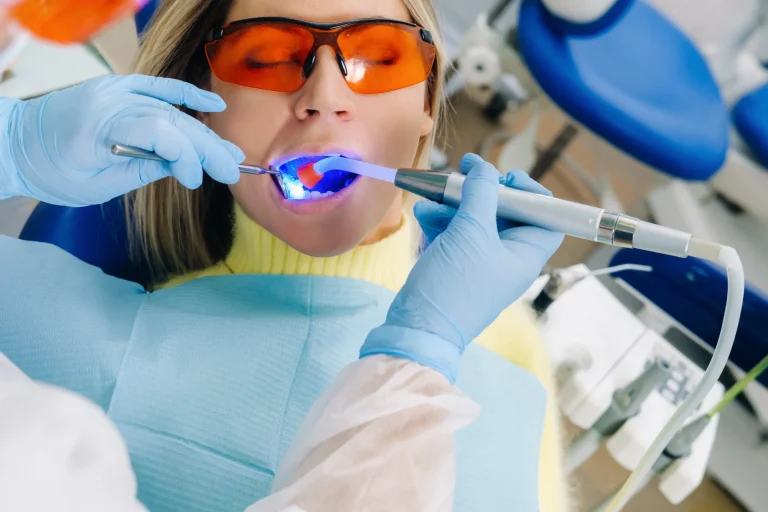
On the treatment day, we isolate the tooth, prepare the surface, place the composite in layers, cure it, and polish. You can eat and drink normally as soon as you leave. There is no recovery time. We will show you the result in a hand mirror before you stand up, and if anything about the shape feels off when you bite, we adjust it on the spot rather than asking you to come back.
Follow-up is simple. Bonded teeth get cleaned at your regular six-month visits like everything else, and we check the margins and polish at each exam. If a small chip develops over the years, repair is usually quick. Bonding is meant to be maintainable, not permanent, and we treat it that way in your long-term plan.
Insurance, Out-of-Pocket Cost, and Payment for Bonding
Bonding sits in a gray zone for dental insurance. When it is done to repair a chipped or broken tooth, many PPO plans cover a portion the same way they would cover a filling. When it is done purely for cosmetic reasons, like closing a small gap or reshaping a tooth that is not damaged, plans usually do not contribute. We file the claim with the correct code and let you know upfront which category your case falls into.
We accept most PPO dental plans and are now in network with TennCare. Before we start, our front desk will pull a breakdown of your benefits and give you a written estimate so the number on the page matches the number at checkout. For any portion not covered, CareCredit financing is available, and you can read more on our payment options page.
If you are weighing bonding against a veneer or a crown, cost is often part of the conversation. Bonding is typically the most affordable cosmetic option per tooth, with the trade-off being a shorter lifespan than porcelain. We will lay out the numbers for each path so you can decide what fits your mouth and your budget.
Why Bonding Is Often the First Cosmetic Step We Suggest
For a lot of patients, bonding is the lowest-commitment way to fix something that has been bothering them for years. It is reversible in the sense that we are not removing healthy tooth structure to do it. If you decide later that you want to upgrade to a veneer, that option is still on the table. Few cosmetic treatments leave that much room to change your mind.
It also tends to deliver a result that looks right rather than overdone. A single chipped front tooth, repaired in an afternoon, often blends in so well that no one notices anything except that the chip is gone. That is usually what people are after. Not a different smile, just the one they had before the chip happened.
If you are not sure whether bonding is the right fit, come in for a look. Dr. Dalal will tell you plainly whether it will work for your tooth, what it would cost, and what your alternatives are if bonding is not the best answer.
Bring Us the Tooth That Has Been Bothering You
Schedule a cosmetic consultation at our Cordova office and we will walk through your options in plain language, with photos and an estimate before we start.