
Crowns and Bridges in Cordova, TN
When a tooth has been bothering you, or a gap has been there long enough that the teeth around it are starting to drift, a crown or a bridge is often the quiet fix that puts your bite back together. Dr. Dalal will walk you through what is going on before any work begins.
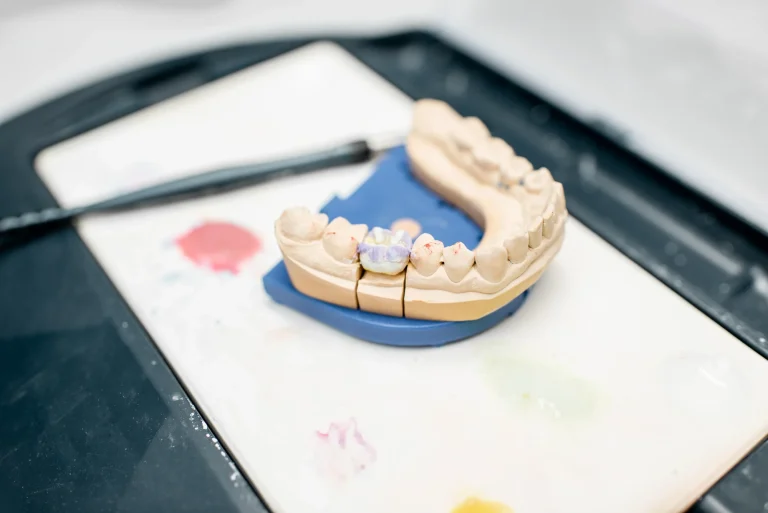
What a Crown or Bridge Actually Does for Your Tooth
Crowns and bridges in Cordova TN are two of the most common restorations we place at Cordova Family Dental, and for good reason. A crown covers a single tooth that has been weakened by a large cavity, a crack, a root canal, or years of wear, and it returns that tooth to a shape and strength that can handle normal chewing again. A bridge does something different: it replaces one or two missing teeth in a row by anchoring a new tooth to the healthy teeth on either side.
Both restorations are built to look like the rest of your teeth. Modern porcelain and ceramic materials match shade and translucency well, so the finished crown does not announce itself when you smile or talk.
What we want you to leave understanding is the why, not just the what. If Dr. Dalal recommends a crown over a filling, or a bridge over an implant, she will show you the X-ray or the intraoral photo that led her there. That conversation happens before we start, not after.
When a Filling Is Not Enough and a Crown Becomes the Right Call
A filling works when the healthy tooth structure around it can still hold the bite. Once a cavity or a fracture reaches a certain size, the remaining walls of the tooth get thin enough that a filling alone will flex, leak, or split the tooth the next time you bite into something firm. That is the moment a crown becomes the more honest answer.
We also recommend crowns after a root canal on a back tooth. The tooth is structurally hollowed out by the procedure, and the crown is what keeps it from fracturing under chewing pressure later. Same goes for a tooth that has cracked vertically, or one that already has a large old filling failing at the edges.
If you are somewhere in the gray zone, where a very large filling might still hold, Dr. Dalal will tell you that too. Sometimes the right call is watching and waiting with a closer six-month check, and sometimes it is moving sooner rather than risking a fracture that turns into an extraction. You will get the trade-offs in plain language so you can decide with her.
How a Bridge Replaces a Missing Tooth Without Surgery
A bridge is a connected set of crowns. The two outer crowns sit on the teeth next to the gap (called abutments), and a false tooth (called a pontic) fills the space in between. It is cemented in place, so you do not take it out, and it functions like a fixed part of your bite.
Bridges are a good fit when the teeth next to a missing tooth already need crowns themselves, or when an implant is not the right path for medical, bone, or cost reasons. They also tend to move faster than implants from start to finish, since there is no surgical healing window to wait through.
That said, an implant is often the more conservative choice when the neighboring teeth are healthy and untouched. We would rather not crown two intact teeth just to fill one gap. If you are weighing the two options, we will lay them side by side, including what each looks like long term, and you can read more on our dental implants page before you decide.
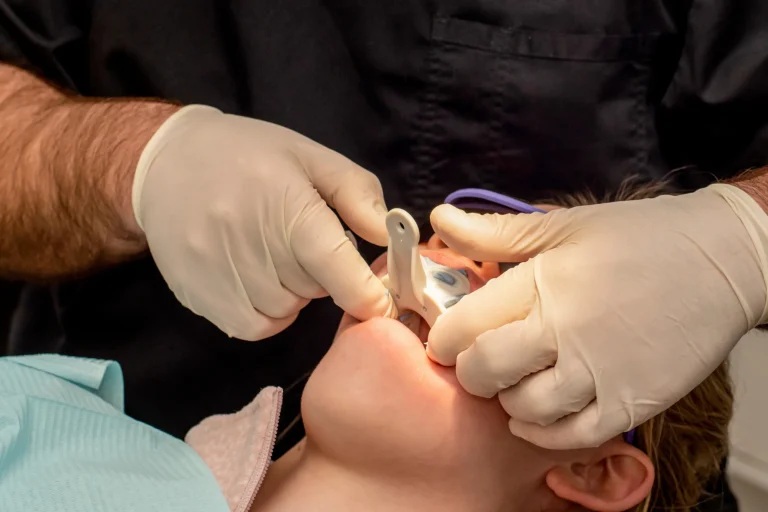
What to Expect at Your Crown or Bridge Appointment
Your first visit starts with imaging. Dr. Dalal uses digital X-rays read with OverJet AI assistance and, when needed, CBCT 3D imaging to see the full picture, including the roots and the bone underneath. From there she walks you through what she sees on the screen and what the restoration would involve. If a crown or bridge is the right next step, we book the prep visit.
At the prep appointment, the tooth (or teeth) being crowned is shaped to make room for the restoration. We use a digital intraoral scanner instead of traditional impression material, which is faster and more comfortable, and the scan goes straight to our lab. You leave with a temporary in place while your permanent crown or bridge is being made.
At the seat appointment, the temporary comes off and the permanent restoration is tried in. We check the fit, the bite, the contact with the teeth next to it, and the color match before anything is cemented. Once everything looks right to both of us, it is bonded in place. You are eating on it normally within a day or two.
How Insurance and Financing Usually Work for Crowns and Bridges
Crowns and bridges are considered major restorative work by most dental insurance plans, which typically means coverage in the range of 50 percent after your deductible, up to your annual maximum. The exact number depends on your specific plan, and we are happy to run a benefits check before you commit to anything so you have a real estimate, not a guess.
Cordova Family Dental is in network with most PPO dental plans carried by Memphis-area employers, and we are now accepting TennCare as well. If your plan is one we do not contract with directly, we can still file the claim for you and apply your out-of-network benefits.
For the portion insurance does not cover, CareCredit financing is available so the out-of-pocket cost can be spread over several months. We treat the money side of this as normal logistics. Ask us at the consultation and we will go through the numbers with you before any treatment is scheduled.
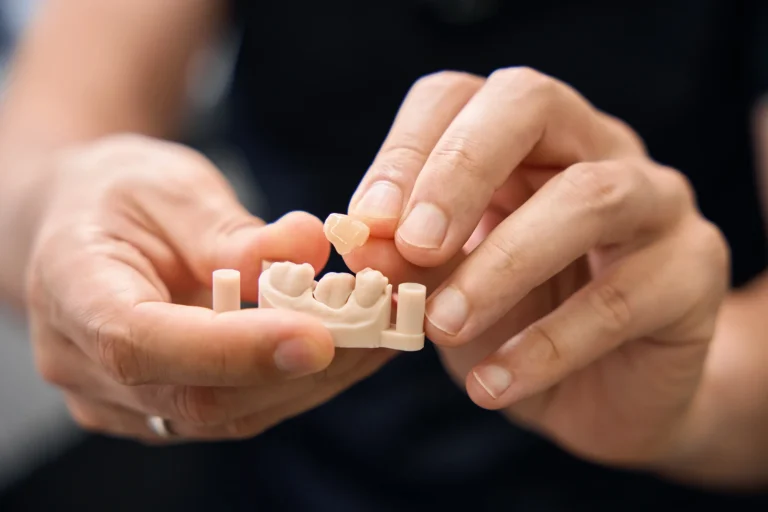
Why a Well-Made Crown or Bridge Is Worth the Visit
A crown or bridge that fits well and is cared for can serve you for a decade or longer. Outc.webpomes vary based on your bite, your home care, and whether you grind at night, but a restoration that seals cleanly against the tooth and meets the opposing bite at the right point tends to stay quiet and out of mind for a long time.
The other piece worth naming is what happens when you wait. A cracked tooth that is not crowned often splits further. A missing tooth that is not replaced lets the neighbors tilt and the opposing tooth drift down, which changes your bite in ways that are harder to fix later. Restoring sooner is usually less work than restoring later.
If you have a tooth that has been bothering you, or a gap you have been living around, come in and let us look. You can also read more about our broader restorative dentistry options or browse what we do as a neighborhood practice for families across Cordova, Bartlett, and Germantown.
Have a Tooth That Needs a Closer Look?
Schedule a consultation with Dr. Dalal and we will show you exactly what is going on before we talk about treatment. Same-week appointments are usually available.